An essay reading Deleuze’s Nietzsche through complete nihilism, artistic creation, and Foucault’s joyous anti-fascist ethics. It asks how critique can stop policing life and become an active force that breaks reactive formations from within.
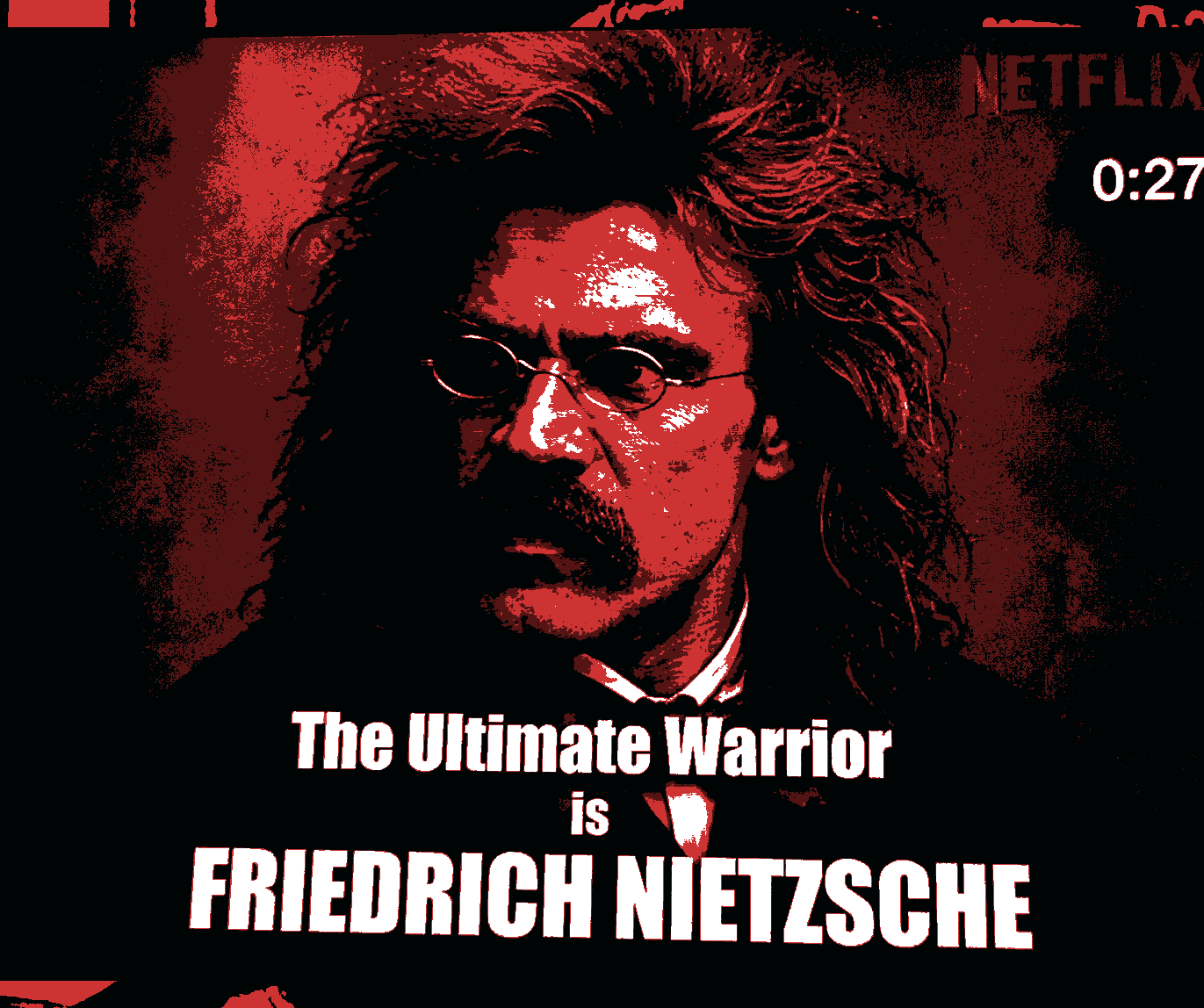
In the modern philosophical tradition, especially in its Enlightenment and post-Kantian forms, critique often appears as a legislative act: a form of judgment that claims the authority to measure life according to standards of truth, reason, and legitimacy.
When critique takes this form, knowledge assumes an epistemic and legislative authority over life, judging existence according to standards presented as independent of the forces from which they arise.When critique takes this form, knowledge assumes an epistemic and legislative author]}\ }]=_ }=_]\ _1}1+{{ /-[]*]]1+ [*[}1+{// *_ 1>*1:/+\> [*}-]]/+0 =[ <[1>=}}[--> /0 -}= ++[-]+ =:/} _}_0- {1]0 {:-*{{